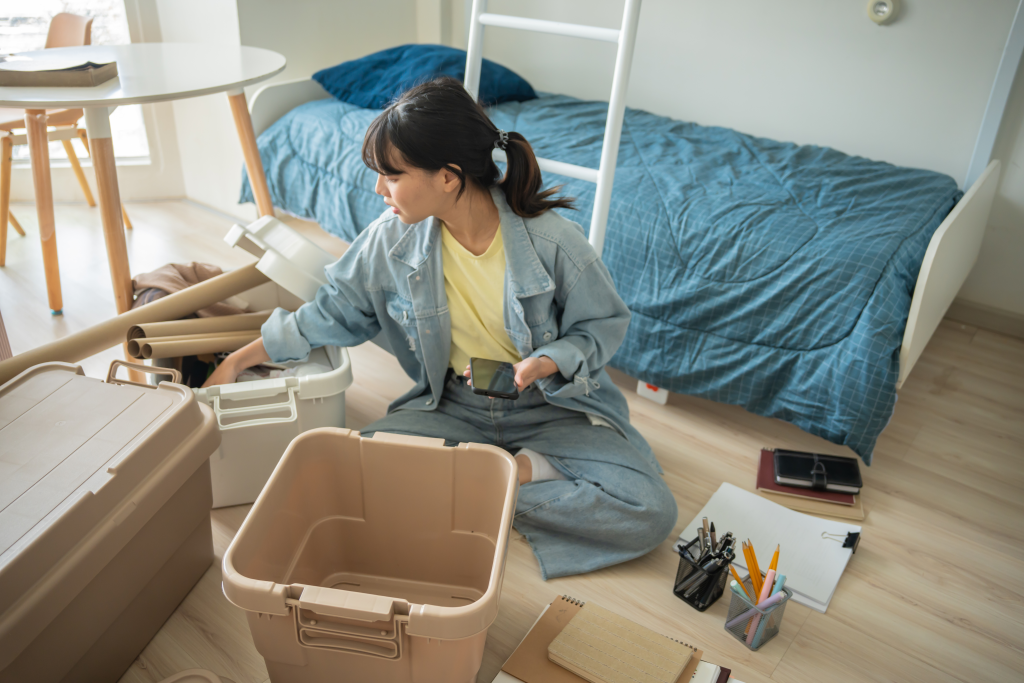
Once students arrive on campus, residence quickly shifts from an idea to a lived experience.
The first few weeks are often filled with activity, meeting new people, attending orientation events, and adjusting to academic expectations. While this period can feel exciting, it is also when habits begin to form. A positive residence experience is rarely accidental: it is shaped by small, consistent choices.
Creating Structure in a Flexible Environment
One of the biggest adjustments in residence is the sudden increase in independence. Without the structure of home, students are responsible for managing:
- Sleep schedules
- Study time
- Meals and nutrition
- Personal organization
It can be tempting to adopt an entirely unstructured routine, especially in the first few weeks. However, students who establish some consistency early, particularly around sleep and study, tend to feel more balanced and less overwhelmed as the term progresses.
Navigating Roommate Dynamics
For many students, sharing a space with a roommate is a central part of residence life. Even when roommates get along well, differences in habits and expectations are inevitable. Successful roommate relationships are less about compatibility and more about communication.
Helpful strategies include:
- Setting expectations early (sleep, guests, shared space)
- Addressing small issues before they escalate
- Being clear, respectful, and direct
Avoiding conflict entirely is unrealistic, but learning how to manage it constructively is a valuable skill.
Balancing Social Life and Academics
Residence offers constant opportunities to socialize. While this is one of its greatest strengths, it can also become a challenge. Students often feel pressure, internally or externally, to be constantly engaged. Over time, this can lead to fatigue or falling behind academically.
Finding balance is key. This may mean:
- Setting boundaries around study time
- Choosing social activities intentionally
- Recognizing when rest is needed
Students who are able to step back and create balance tend to have more sustainable and enjoyable experiences.
Managing Common Challenges
Even in a positive residence environment, challenges are part of the experience.
Homesickness is common, particularly in the first few weeks. Staying connected to home while also engaging in campus life can help ease this transition.
Comparison can also emerge, especially in highly social environments. It is important to remember that everyone is adjusting, even if it does not appear that way.
Burnout can develop when students overextend themselves socially or academically. Recognizing early signs and adjusting accordingly is important.
These experiences are not indicators of failure; they are part of the adjustment process.
The Small Habits That Make a Big Difference
Over time, it is often the simplest habits that shape a student’s residence experience.
Students who:
- Make an effort to connect early
- Establish routines
- Communicate openly
- Take care of their well-being
are more likely to feel settled, supported, and successful.
Residence is more than just a place to live; it is where many students learn how to manage their time, relationships, and responsibilities independently for the first time. For many students, residence becomes one of the most formative parts of first year. While the experience will look different for everyone, those who approach it with intention and awareness are best positioned to make the most of it.