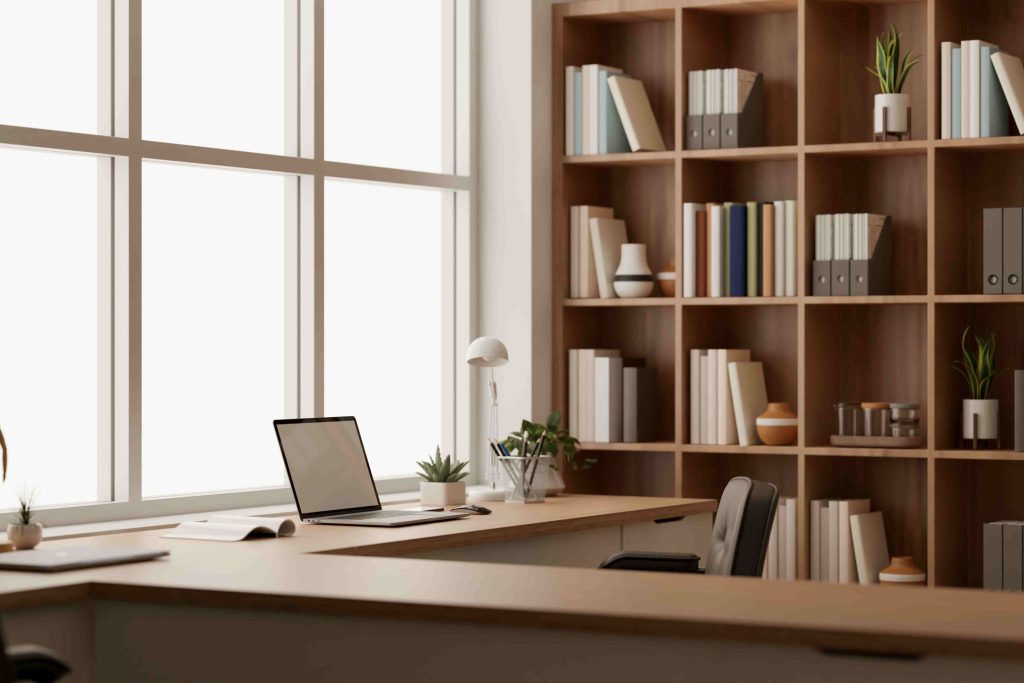
In addition to considering when you should study and how long you should study for, you can help yourself achieve your academic goals by considering where to study. Creating the right study space can help you stay focused and get into the right frame of mind for studying. Keep reading for some helpful tips on how to create the ideal study space.
First, create a space specifically dedicated to studying. If you have an area that you only use for studying, your mind will naturally go into studying mode when you enter this space. This is also a great strategy for where you sleep. If the only thing you do in bed is sleep, then when you get into bed, your mind will automatically go into sleep mode. However, if you also study, play games, and watch Netflix in your bed, that’s what your brain will be prepared to do when you get into bed, and you’ll have more trouble falling asleep. Likewise, if you sleep, play games, and look through social media in your study space, your brain will be prepared to do those other activities in that location. By having a space specifically dedicated to studying, you can ensure that you are in the right headspace for schoolwork.
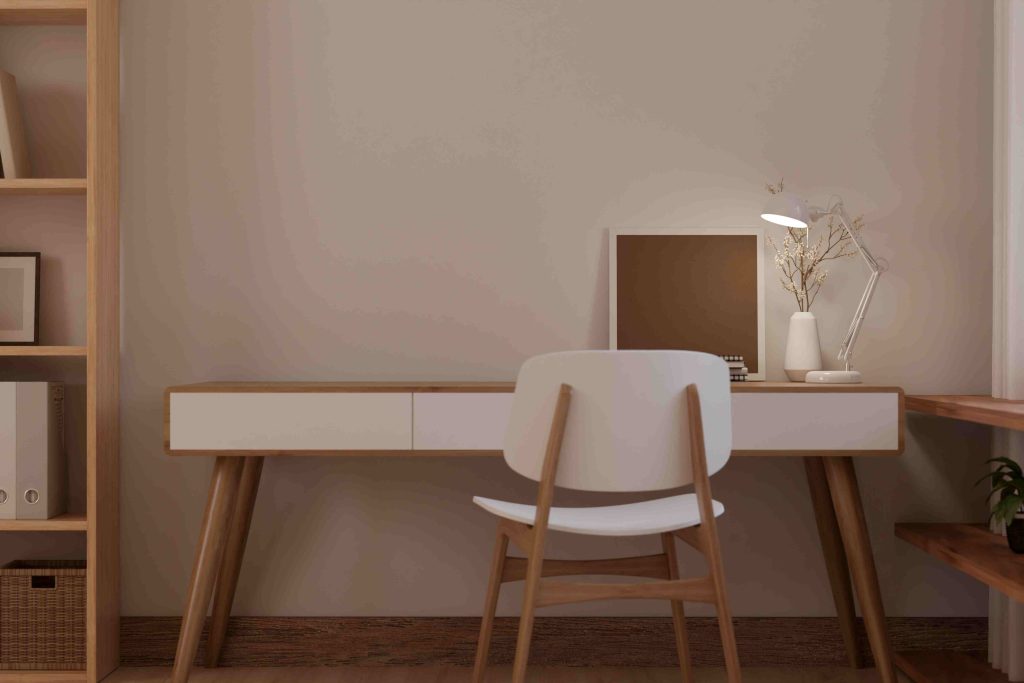
Now, you might worry that you don’t have a room that you can dedicate to studying. No problem: your dedicated study space does not need to be an entire room. Rather, it might just be a part of your room, such as your desk or a specific chair at the kitchen table.
Next, ensure your study space has good lighting. If the lighting is too dim, you will strain your eyes, which may cause headaches after a while. Good lighting will also keep you awake, while dim lighting may make you sleepy.
You’ll also want your study space to have good ventilation. Is there a window you can open? Do you have a fan you can turn on? If the room is too hot or stuffy, it can be distracting and may make you sleepy. Try to keep the room on the cooler side so that you stay alert, but not so cold that you are distracted from your work.
Next, ensure that you have a comfortable chair. Is it the right height? Does it support your back? A good chair will allow you to sit upright with your feet flat on the floor. You don’t want to sit in a chair that has no support, such as a bean bag, as this will put strain on your neck and back.

You’ll also want your desk to be large enough to spread out all your materials. Ensure that your desk is not cluttered so that you can lay out all your textbooks, papers, laptop, writing implements, and so on. If you have to switch back and forth between your materials because you don’t have enough room to lay everything out, this will cut into your studying time.
Next, keep study space quiet and clear of distractions. Know yourself and what you tend to get distracted by and make sure that those things are not in your study space. If you find you get easily distracted by your phone, put it in a drawer so that it is out of sight. If you are tempted by the TV, consider studying in a room that doesn’t have one. If you find yourself tempted to talk to others, choose a room where you can be by yourself.
Finally, think about your own personal learning needs. Do you often get cold? If so, keep a blanket nearby. If you tend to get hot, make sure you have a fan nearby. Do you have trouble focusing if it is too quiet? Try putting on some instrumental music—something with no words. Think about what distracts you and what keeps you focused and adjust your study space accordingly.
With a good study space in hand, you can now focus on the things you need to do in order to succeed. As you spend time in this space, adjust it as needed to make it even more conducive to effective studying.