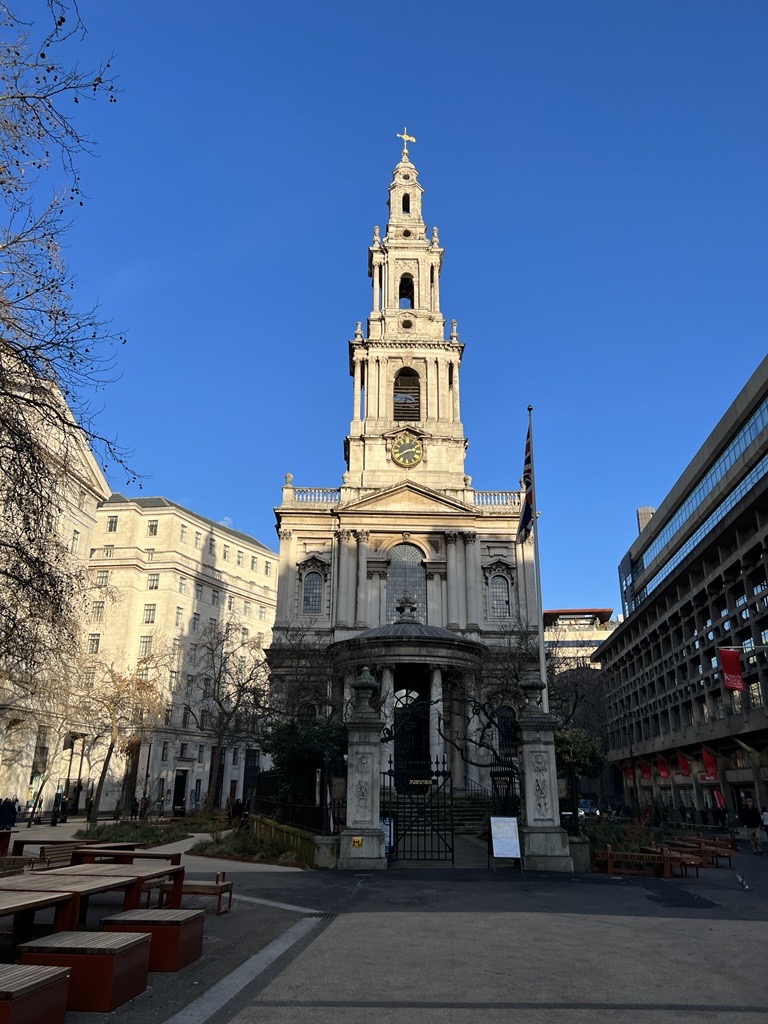
Each year, Options Solutions team members visit many, many post-secondary institutions. These visits allow us to learn beyond what is readily available on the internet and in print materials. While on campus, we often meet with admission staff and Options alumni who attend the institution. We love learning about the nuance and vibe of each place and about all the hidden opportunities that exist there.
Our Options on Tour series highlights some of our recent adventures and shares them with you. We’ll feature what we saw, who we met, and what neat things/hidden nuggets we learned.
King’s College London – London, England
Last spring, Melinda visited King’s College London. Read her highlights below.
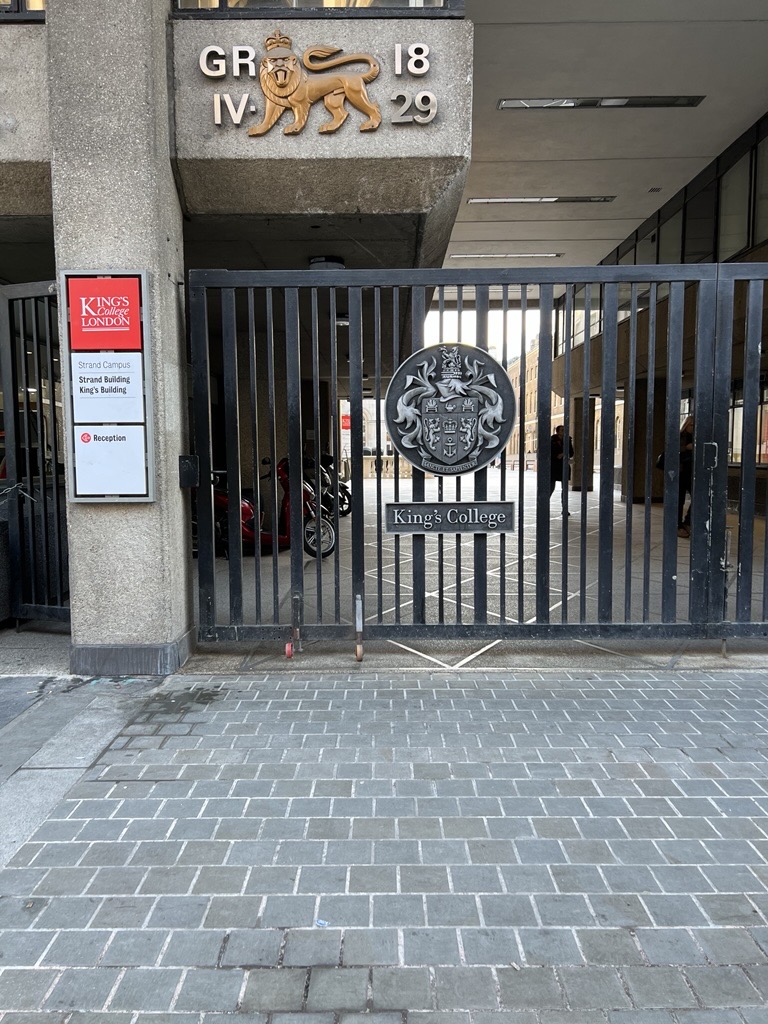
The Basics
- King’s was founded in 1829 and is made up of five campuses across London.
- Over 42,000 students attend Kings, half of those being undergraduates.
- The King’s College London Students’ Union provides a wide range of activities and services, including more than 50 intramural sports clubs, more than 300 activity groups, and bars and cafes.
Featured Academic Programs
- Bachelor of Arts in Culture, Media, and Creative Industries
- Midwifery Bachelor of Science
- Bachelor of Science in Global Health and Social Medicine
- Bachelor of Science in Sport and Exercise Medical Sciences
Interesting Facts
- King’s College London has 14 Nobel Laureates among its staff and alumni, including Archbishop Emeritus Desmond Tutu.
- In the Eastern courtyard by the Colonnade on Guy’s Campus, there is a round-hooded stone nook with a statue sitting inside. This nook is actually part of the old London Bridge, which was demolished in 1831, and is one of the only remaining remnants.
- King’s College London is unusual amongst British educational institutions in that its Dean is an ordained person, responsible for overseeing the spiritual development and welfare of all students and staff as well as fostering vocations amongst the worshipping community.
Check out our Admissions category for all our Options on Tour posts!