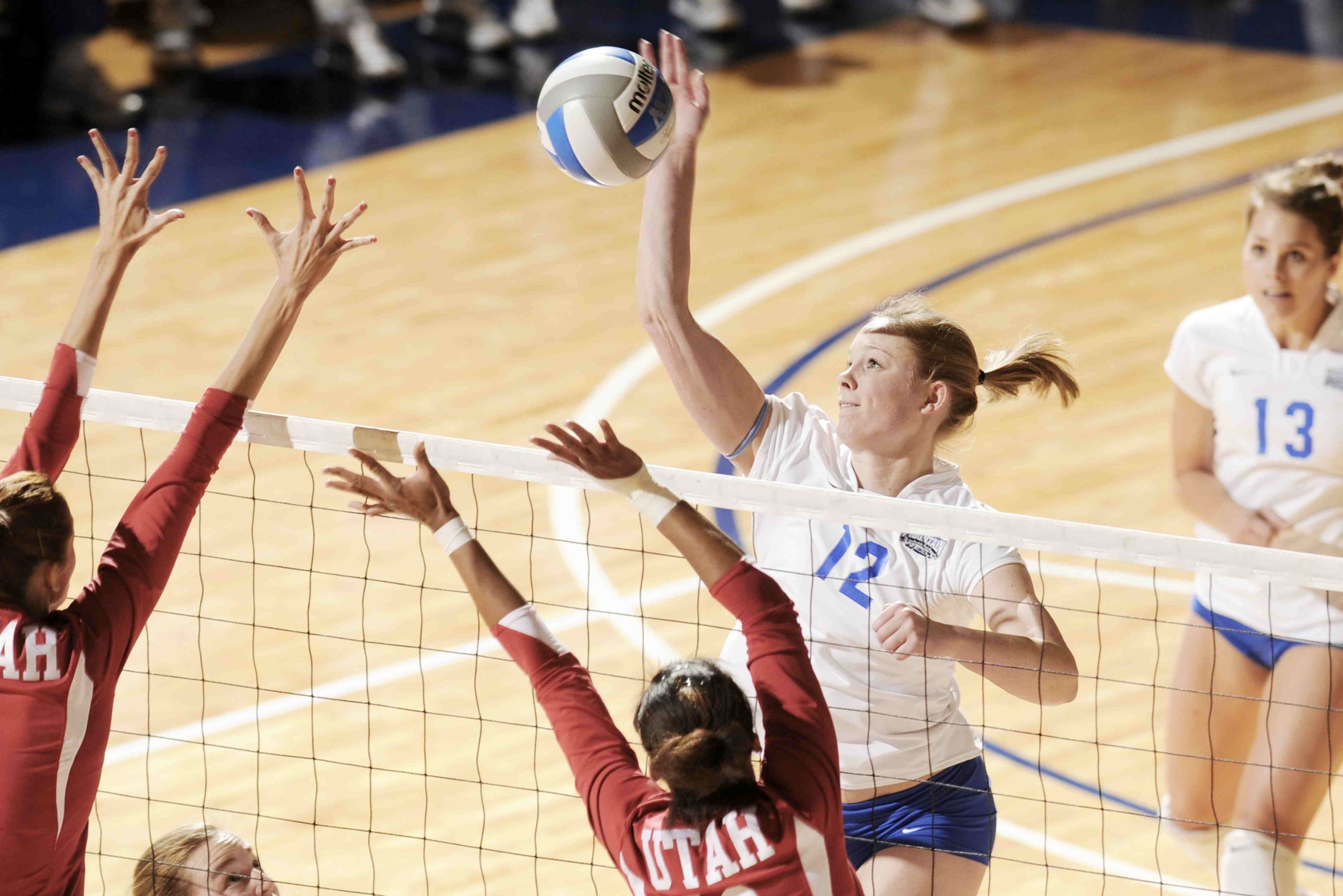
The Differences Between NCAA Divisions 1, 2, and 3
Many high school student-athletes all over Canada and the United States. dream of playing their sport at the collegiate level. If you are a student-athlete who aspires to compete in the NCAA, then this ‘Sports Recruiting Tips’ series is for you.
The National Collegiate Athletic Association (NCAA) regulates student athletics in the U.S. Among the three NCAA divisions (DI, DII, and DIII), there are important differences, so let’s break those down. As a potential recruit, it’s important to understand which division might be the right fit for you and how you stack up against other top recruits.

Division I
- DI schools offer the highest level of athletic competition.
- According to the NCAA, only about 2% of high school athletes make it to compete at the Division I level.
- You would typically see these universities on TV, ESPN, Bowl Games, or March Madness (e.g., LSU, UConn, Ohio State, Stanford).
- They are generally large schools with big athletic budgets.
- DI schools can offer full-ride scholarships, meaning they have the ability to cover the cost of tuition, room and board (residency), books, and supplies. DI coaches often evaluate top recruits on their radar as early as Grade 9 or 10.
- Not every DI sport can offer full-ride scholarships. For some sports, the coach divides their scholarship money among the athletes. Partial scholarships are very common for DI athletes.
- Time management is especially important for DI athletes. They spend many hours training during the season and off. Athletes often spend 33 hours a week weight training, practicing, reviewing film, and competing.
Division II
- DII schools have solid teams and athletic programs, too, but tend to be smaller and have lower athletic budgets.
- They can offer some scholarships.
- Coaches at this level will start to look at athletes a little later.
- There is a more balanced approach between academics and athletics. Being a DII athlete still requires a lot of training, but less than a DI program.
Division III
- DIII athletic programs are the smallest of the three divisions and therefore have the lowest budgets.
- They do not offer athletic scholarships, but students can receive non-athletic aid through merit money, grants and/or needs-based scholarships.
- A DIII program will offer you a more well-rounded experience balancing academics with athletics. These institutions pride themselves on producing ‘true’ student-athletes.
Are you ready to get a headstart on the sports recruiting process? Stay tuned for the next installment of our ‘Sports Recruiting Tips’ series. Our consultants are here to help, contact the Options Solutions Team today!