Poor mental health is a common problem in today’s society. Today’s children and teens have faced and continue to face stressful and anxiety-provoking circumstances such as recent pandemics, increasing pressure to succeed, increasing competition in schools, and a bombardment of information and misinformation from social media.
Enter Dr. Diana Brecher. Dr. Brecher is a clinical psychologist and instructor at Toronto Metropolitan University (TMU) who has been working to help students become more resilient. She points out that we will all be faced with difficulties and challenges throughout our life; it is how we deal with these experiences that determines the type of future we will have. When she started teaching students at TMU’s counselling centre how to become more resilient, she did not expect how high the demand would be for her teachings. Since then, she has created and launched two undergraduate courses, a four-week program called ThriveTMU that can be accessed by anyone, a new continuing education course, and has given guest lectures to students from a variety of fields. However, one of Dr. Brecher’s most unique contributions is a video game that was adapted from her research.
Based on the top mental health findings on well-being from experts in psychology, neuroscience, mindfulness and meditation across the world, ThriveLandia is a game that teaches kids and teens how to thrive, helping to foster resilience. The game was adapted by Psychology Canada’s Strong Minds Strong Kids from the TMU program ThriveTMU, which helps post-secondary students develop the abilities to thrive throughout their lives.
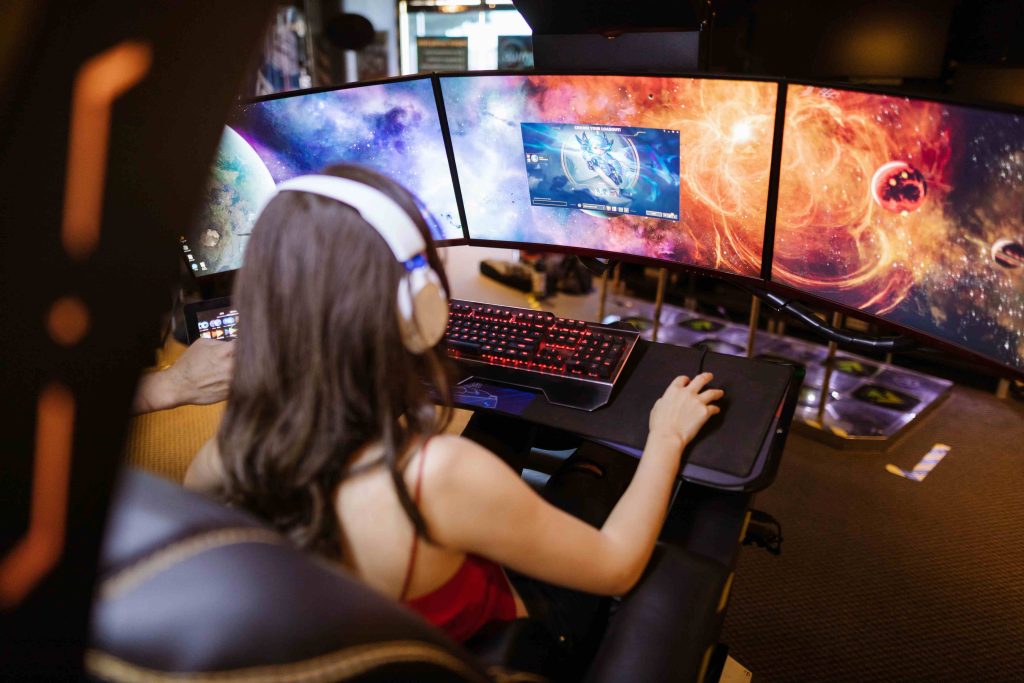
Aimed at Canadian youth ages 10-17, this free game is based on Dr. Brecher’s research in Positive Psychology, and, in particular, her Five Factor Model of Resilience which identifies five fundamental aspects of thriving: mindfulness, gratitude, optimism, self-compassion, and perseverance. ThriveLandia is an online world, made up of five different lands to unlock; one for each pillar of Resilience. The game involves puzzles, games, videos, and other fun learning opportunities that will help youth to build resilience. It includes six different teen hosts that will guide you on your journey as you gain skills and strategies to cope with the various situations that you will face now or in the future.
But ThriveLandia isn’t just for kids and teens. This free video game also has modules for parents and teachers. THRIVE-Parent includes resources for parents and caregivers of youth aged 10-17, and THRIVE-Teach has resources and lesson plans to support academic resilience for educators and professionals who work with youth.
Although this game will not single-handedly solve the mental health crisis, it can fill in the gap until more support can be accessed and help youth build the foundational skills they’ll need to succeed. To learn more about this free video game, check out their website at https://thrivelandia.com.